MonChoco Artisan Chocolatier is a handcrafted chocolate brand from Abidjan, Ivory Coast, representing an authentic example of sustainable and locally driven chocolate production in West Africa. Founded with the idea of highlighting the richness of Ivorian cocoa, MonChoco creates chocolate following the “bean-to-bar” philosophy, using only local, organic ingredients.
Their approach is based on minimal processing - the cocoa beans are not roasted but kept in their raw form to preserve natural aromas, minerals, and antioxidants. The factory operates using sustainable methods such as sun-drying, manually cracking beans with bicycles, and using recycled packaging materials.
MonChoco combines art, tradition, and responsibility, promoting a production model that respects both people and nature. The team is composed mostly of women, who hand-sort the beans, craft the bars, and wrap them in biodegradable paper.
The product range includes dark chocolates of various cocoa percentages, ganache collections, pralines, and raw cocoa beans. The brand’s visual identity is simple yet distinctive, inspired by the earthy tones of cocoa, reflecting its philosophy of pure and natural luxury.
MonChoco offers not just chocolate, but an experience that unites flavor, culture, and a responsible approach to craftsmanship.
Atelier Wakka is an artisanal producer of jams and fruit preparations based in Abidjan, Côte d’Ivoire, building its identity around the valorization of local tropical fruit and traditional processing methods. The brand was created with the idea of presenting the richness of African fruit terroir through products with clear origin and clean composition, free from industrial interventions.
Its range includes jams, preserves, and chutneys made from fruits such as mango, pineapple, banana, and passion fruit, often combined with herbs and spices like basil or ginger. Production takes place in small batches, using manual preparation and slow cooking in copper pots to preserve the natural flavors and texture of the fruit.
Particular attention is given to the selection of raw materials harvested at full ripeness, which gives the products a pronounced and authentic fruit character. The flavors are intense but not overly sweet, with a clearly identifiable expression of each ingredient’s origin.
Atelier Wakka does not aim for mass production, but for consistency in quality and recipe integrity. Their products work equally well as spreads and as gastronomic accompaniments to cheese, meat, or warm dishes.
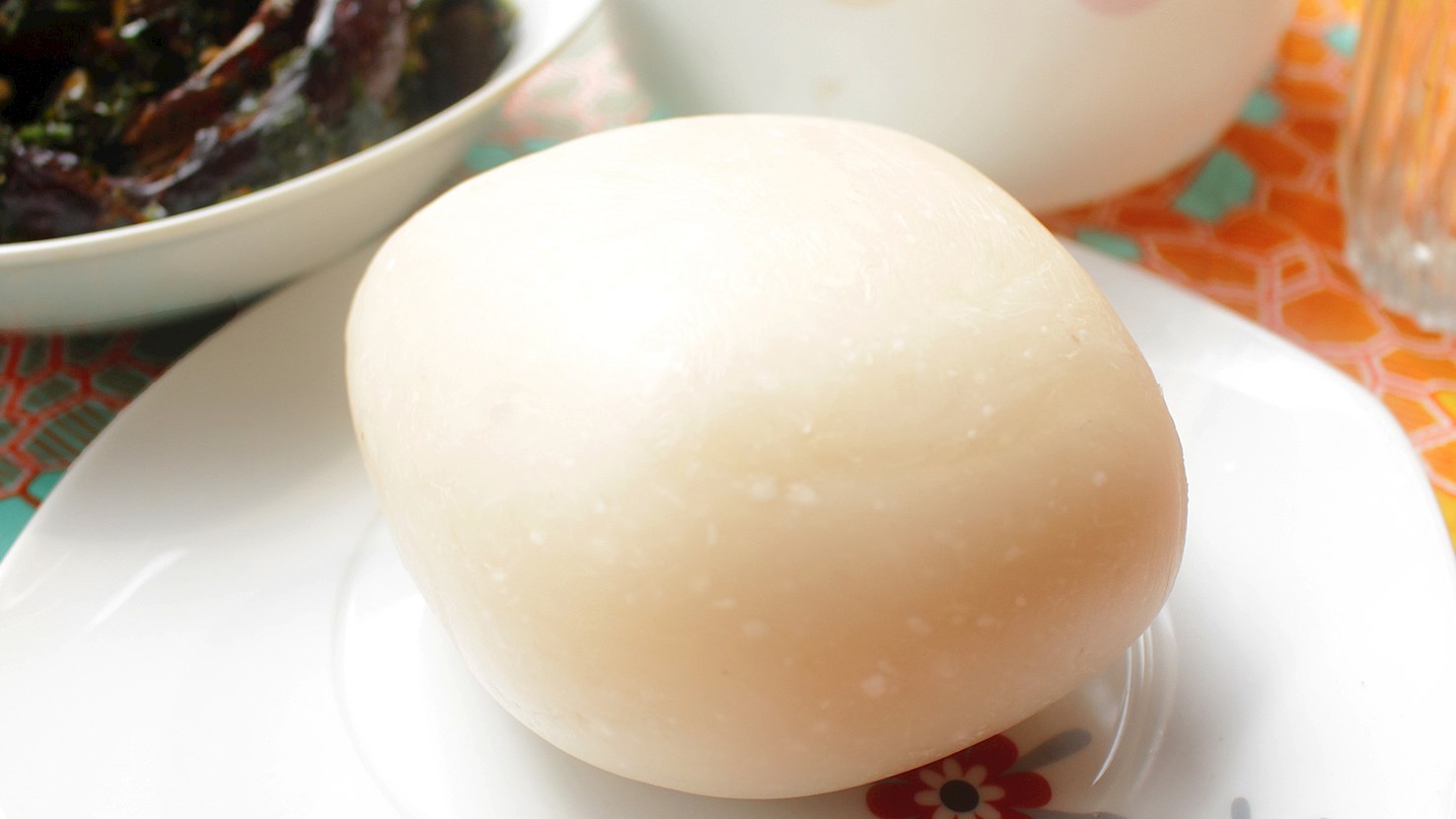
Fufu is a staple side dish made by pounding cassava and unripe plantains together with a big wooden pole and mashing them while adding water. As it needs to be vigorously stirred, it usually takes two people to make it - one pounding it, and the other moving it around between the pounding. Once the mixture is smooth, it gets shaped into small balls that are then placed in a stew or soup with meat. Similar to the Tanzanian ugali, an indentation is made in the ball, used for scooping up the sauce, with fufu acting as a spoon. The texture is quite gummy and stretchy, while the flavor is bland, but dipping it into a stew gives fufu a spicy flavor that is slightly reminiscent of peanuts. Just make sure not to eat with your left hand, as this is considered extremely disrespectful in many parts of Africa, because the left hand is used for toilet-related actions. This starchy side dish is an important accompaniment to various stews and sauce-based dishes, and it's regularly eaten throughout West and Central Africa.
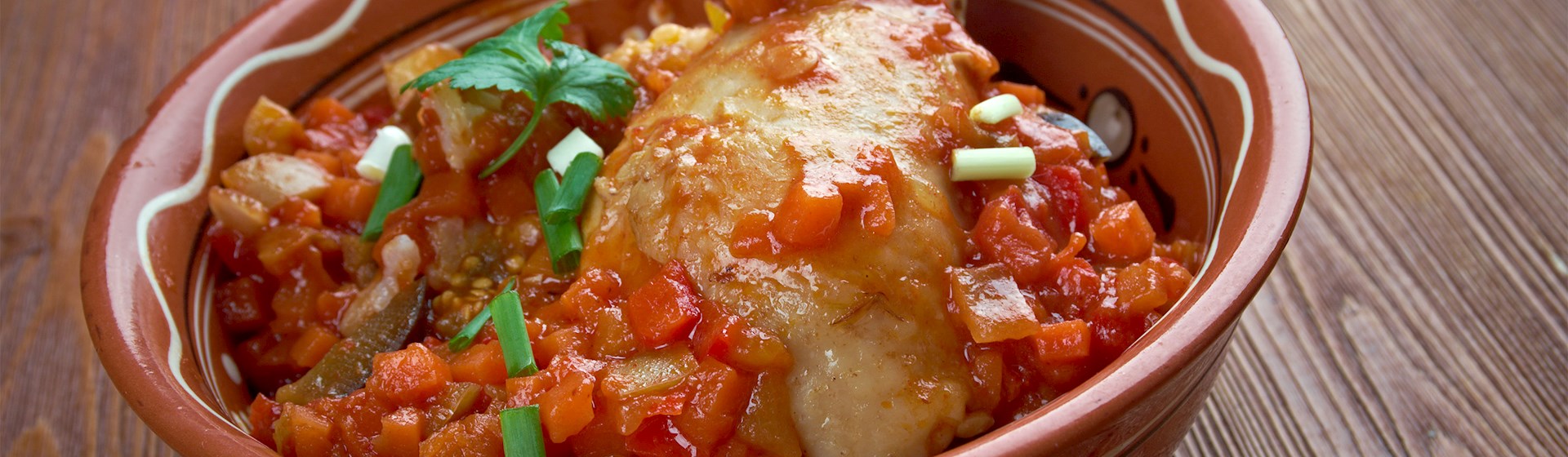
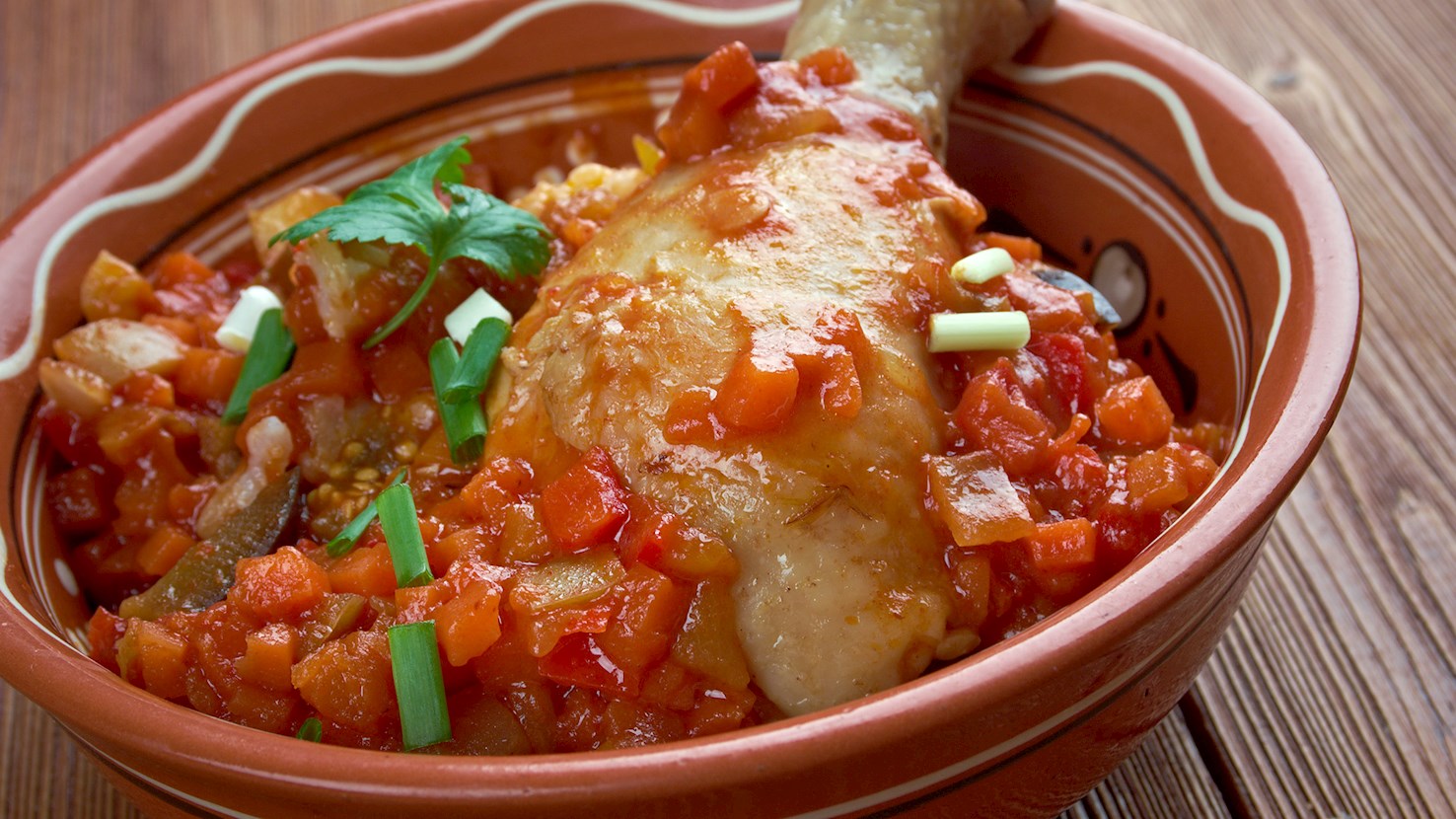
Kedjenou is a slow-cooked stew from Côte d’Ivoire made primarily with chicken or guinea fowl and a mixture of vegetables, simmered in a sealed pot without added liquid. The dish is strongly associated with Ivorian forest and central regions, where covered clay pots and low-moisture cooking methods have been part of local cuisine for generations. Its defining feature is the way the ingredients cook in their own juices, producing a concentrated flavor and tender texture. The name is widely linked to Akan-speaking communities, and the dish is known across the country as a benchmark of Ivorian home cooking. Its development is tied to the use of the canari, a narrow-mouthed clay pot that allows steam to circulate while preventing evaporation. In rural households, the pot was placed directly over charcoal or embers, and the mixture of poultry, vegetables, and seasonings cooked slowly without added water. This method suited regions where clay cookware was common and where stews often relied on the natural moisture of ingredients rather than large quantities of broth. As the dish spread from rural areas into urban centers during the twentieth century, it became a common weekend meal and an emblem of Ivorian cuisine presented at family gatherings, local maquis, and food stalls. Preparation begins by placing pieces of chicken or guinea fowl into the pot along with onions, tomatoes, peppers, garlic, ginger, and small amounts of oil or none at all. The pot is sealed tightly, sometimes with banana leaves under the lid, to retain steam. It cooks over low heat, and instead of stirring, the pot is shaken periodically to prevent sticking and to distribute the ingredients. The vegetables release enough moisture to form a thick, aromatic sauce as the meat cooks. Some cooks include okra, aubergine, or chili for added texture and heat. The cooking time varies but usually lasts long enough for the poultry to become very tender and for the mixture to reduce naturally. The resulting stew is notable for its depth of flavor created without added stock or water. Kedjenou is eaten throughout Côte d’Ivoire, particularly on weekends or during gatherings. It is almost always served with attiéké, rice, foutou, or yam, each of which absorbs the stew’s concentrated sauce. In many maquis (local eateries) it is served in small clay pots to preserve heat. Beverages that pair well with it include bissap, ginger juice, palm wine, beer, and light soft drinks, all of which balance the richness and mild heat of the stew.
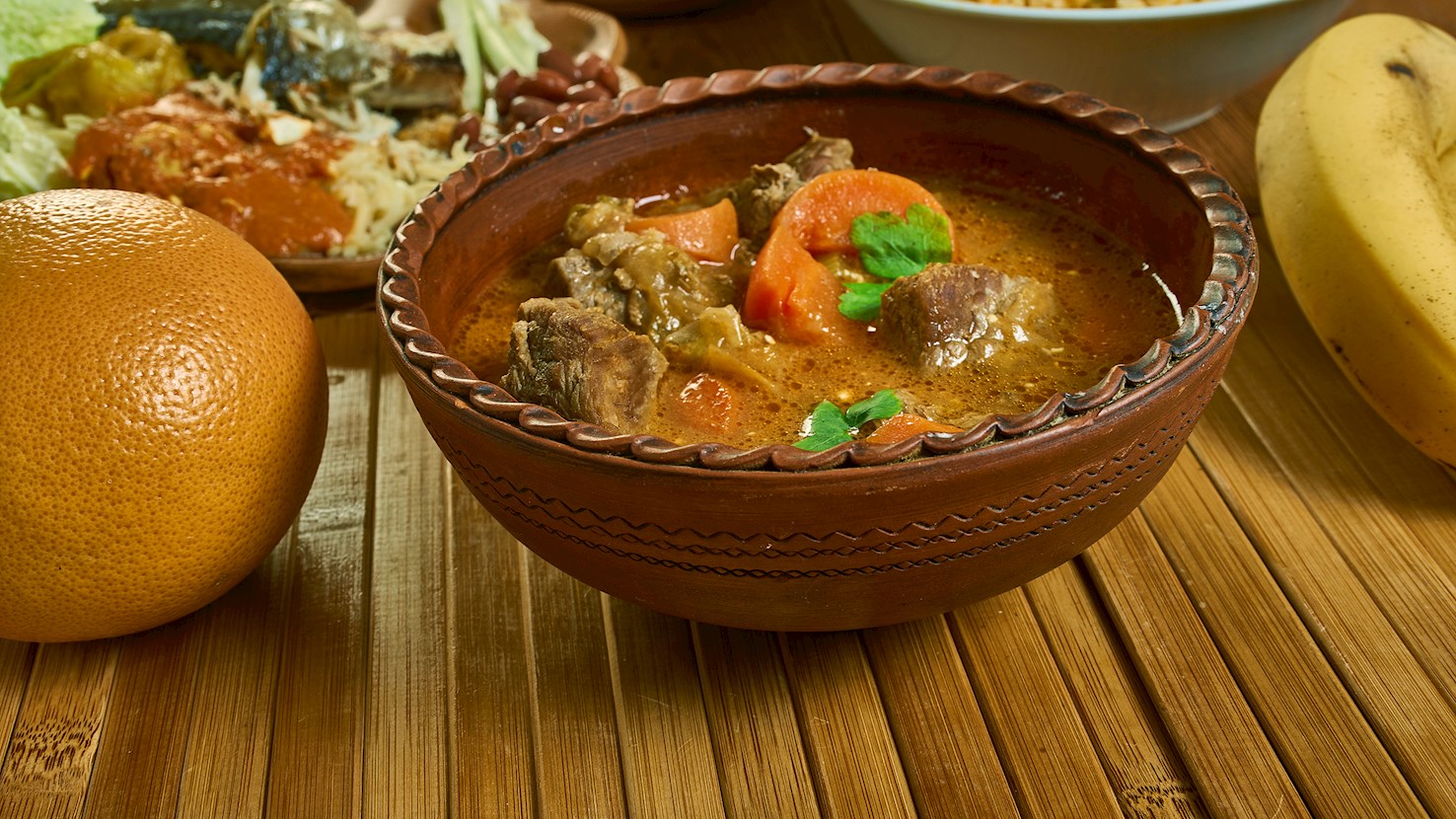
Palm nut soup is a West African soup made from the extract of boiled and pounded palm nuts, producing a thick, reddish base with a rich, oily texture and a deep, nutty flavor. It is widely eaten in Ghana, where it is known as abenkwan in Akan languages, and appears in varying forms in Côte d’Ivoire, Liberia, Sierra Leone, and parts of Nigeria. The core ingredient is the pulp surrounding the nuts of the oil palm, a tree native to West and Central Africa and long used in local cooking for its oil, kernels, and fruit. The soup is considered one of the major palm-based dishes of the region and is prepared in both rural and urban settings. Its development is closely tied to the longstanding cultivation of the oil palm in West Africa, where the tree provided a reliable source of fat before imported oils became common. The process of boiling and pounding palm nuts to extract their pulp predates colonial influence and reflects practical methods for converting the fruit into a usable cooking medium. As communities across Ghana and neighboring countries incorporated palm products into soups and stews, palm nut soup emerged as a standardized preparation that made use of the fruit’s oil and natural thickness. Over time, local variations developed, but the essential technique of extracting pulp from the fruit and cooking it with protein and aromatics remained consistent. Preparation begins by boiling palm nuts until soft, then pounding them in a mortar with a small amount of warm water to separate the orange pulp from the fibrous husk and inner kernel. The mixture is strained to produce a thick, reddish liquid. This extract forms the base of the soup. Meat or fish is added, commonly goat, beef, chicken, smoked fish, or dried fish, along with onions, tomatoes, chili peppers, and seasonings such as ginger and local herbs. The soup is simmered until the oil naturally rises to the surface, and the protein becomes tender. Some versions incorporate garden eggs, okra, or mushrooms, and others focus on seafood, especially in coastal regions. The finished soup is rich, glossy, and full-bodied due to the palm fruit’s natural oil content. Palm nut soup is eaten throughout Ghana and across West Africa, commonly served with fufu, banku, rice balls, boiled rice, or sometimes yam or plantain. It appears at everyday family meals, weekend gatherings, and festive occasions. Beverages that pair well with it include water, palm wine, ginger drinks, and light lagers, all of which balance the soup’s richness. In coastal areas it is frequently served with seafood accompaniments, while inland regions favor smoked meats and bushmeat, giving the soup a flexible identity shaped by local ingredients.
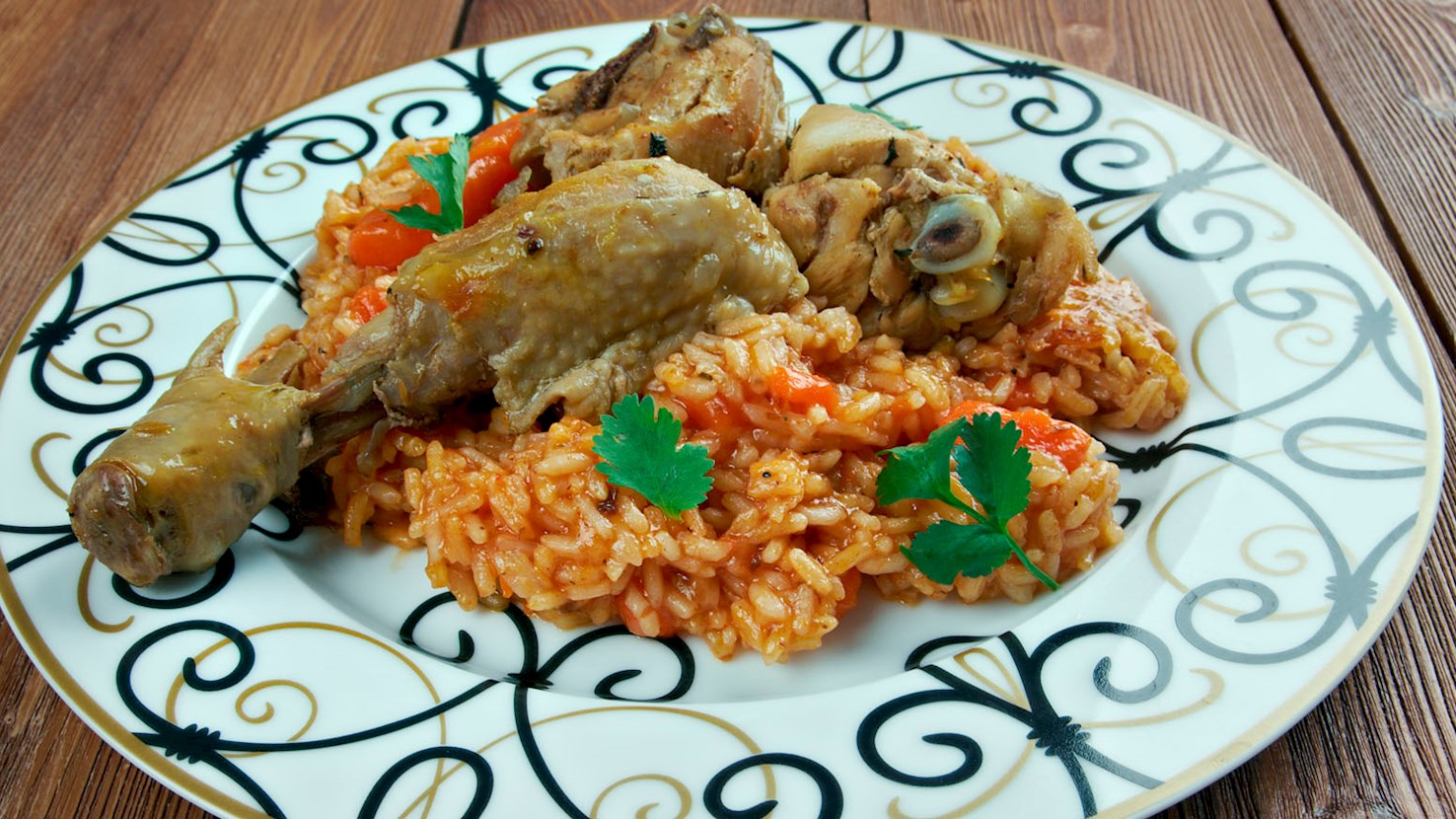
Riz gras is a West African one-pot rice dish made with rice cooked directly in a seasoned broth that often includes tomatoes, onions, and vegetables, with the addition of meat or fish depending on region and availability. It is prepared widely in Francophone West Africa, including Côte d’Ivoire, Burkina Faso, Togo, Benin, Guinea, and Mali. The name, meaning “fat rice” in French, refers to the presence of cooking fat from meat, fish, or oil that enriches the dish and gives the rice a glossy appearance. Though closely related to other West African tomato-based rice dishes, riz gras forms its own category with variations shaped by local ingredients, preferences, and culinary techniques. The dish developed through the influence of regional one-pot cooking methods that combined rice, a relatively early staple in coastal and riverine areas, with tomatoes and onions introduced during the colonial period and incorporated into daily cooking. As different West African communities integrated rice into their diets, they adapted the one-pot method to their local produce and seasonings. Over time, the name riz gras became common across French-speaking regions, describing dishes that shared a similar structure while differing in seasoning, vegetables, and the type of protein used. While it shares roots with the Wolof one-pot dishes of Senegal and The Gambia, riz gras evolved in Francophone territories into a broad category rather than a single standardized preparation. Preparation begins with browning meat or fish, which produces the base fat that flavors the rest of the dish. Onions, tomatoes, peppers, and sometimes tomato paste are added and cooked until thickened. Spices such as garlic, ginger, dried pepper, bay leaves, and local seasoning blends are incorporated according to regional tastes. Water or broth is added before the rice goes in, and the pot is then covered and cooked until the grains absorb the liquid fully. Vegetables such as carrots, cabbage, eggplant, or okra may be added whole or in large pieces, depending on the local style. Some cooks aim for a dry, fluffy outcome, while others prepare a softer, slightly saucier version. The balance of fat, tomato, and broth determines the final flavor and texture. A characteristic feature of riz gras is the flexibility of its composition. It can be made with beef, mutton, chicken, smoked fish, or no animal protein at all. Its seasoning adjusts easily to local spice traditions, and the dish accommodates a wide range of vegetables without departing from its identity. The defining element is the method: rice cooked in the same pot as the sauce and protein, absorbing all the flavors directly. Riz gras is eaten throughout Francophone West Africa in homes, canteens, street-food settings, and at social gatherings. It is often served with fried plantains, simple salads, boiled eggs, or spicy relishes made from chili and onions. Beverages commonly paired with it include bissap, ginger drinks, palm wine, soft drinks, or cold beer, all of which complement the richness of the rice and the seasoning of the stew.
Plakali is a cassava-based staple food from Ghana and Côte d’Ivoire made by cooking fermented cassava dough with water until it forms a smooth, elastic, and mildly tangy paste. It belongs to the group of cassava staples eaten in southern and central parts of the country, particularly among Akan-speaking communities such as the Baoulé. The dish developed in regions where cassava became a central crop and where fermentation and pounding techniques were used to convert the root into stable, digestible foods suitable for daily meals. As cassava cultivation expanded through Ivorian and Ghanian forest zones in the nineteenth and twentieth centuries, plakali became established as a common staple alongside foutou and attiéké, valued for its neutral flavor and compatibility with a wide range of sauces. Preparation begins with fermented cassava dough, commonly known as placali or placali paste, which is mixed with water and cooked over medium heat while stirred continuously with a wooden spatula. As it heats, the starch gelatinizes and thickens, and the cook works the mixture until it becomes smooth, cohesive, and free of lumps. The final texture is soft, stretchy, and slightly sticky, with a mild acidity from the fermentation. The paste is portioned into servings and kept warm, since its ideal texture is maintained at serving temperature. A characteristic element of plakali is that it is specifically paired with sauces that require a neutral, absorbent base, and Ivorian households often match it with palm nut soup, clear okra soup, or peanut-based sauces, each highlighting the cassava paste differently. Plakali is eaten throughout southern Côte d’Ivoire and western Ghana in homes, roadside eateries, and communal gatherings, often served in rounded portions alongside bowls of sauce. It pairs well with palm nut soup, okra soup, eggplant or garden egg stew, and peanut sauce, and it is commonly accompanied by water, bissap, ginger drinks, or light beer, all of which help balance the starchiness and acidity of the cassava.
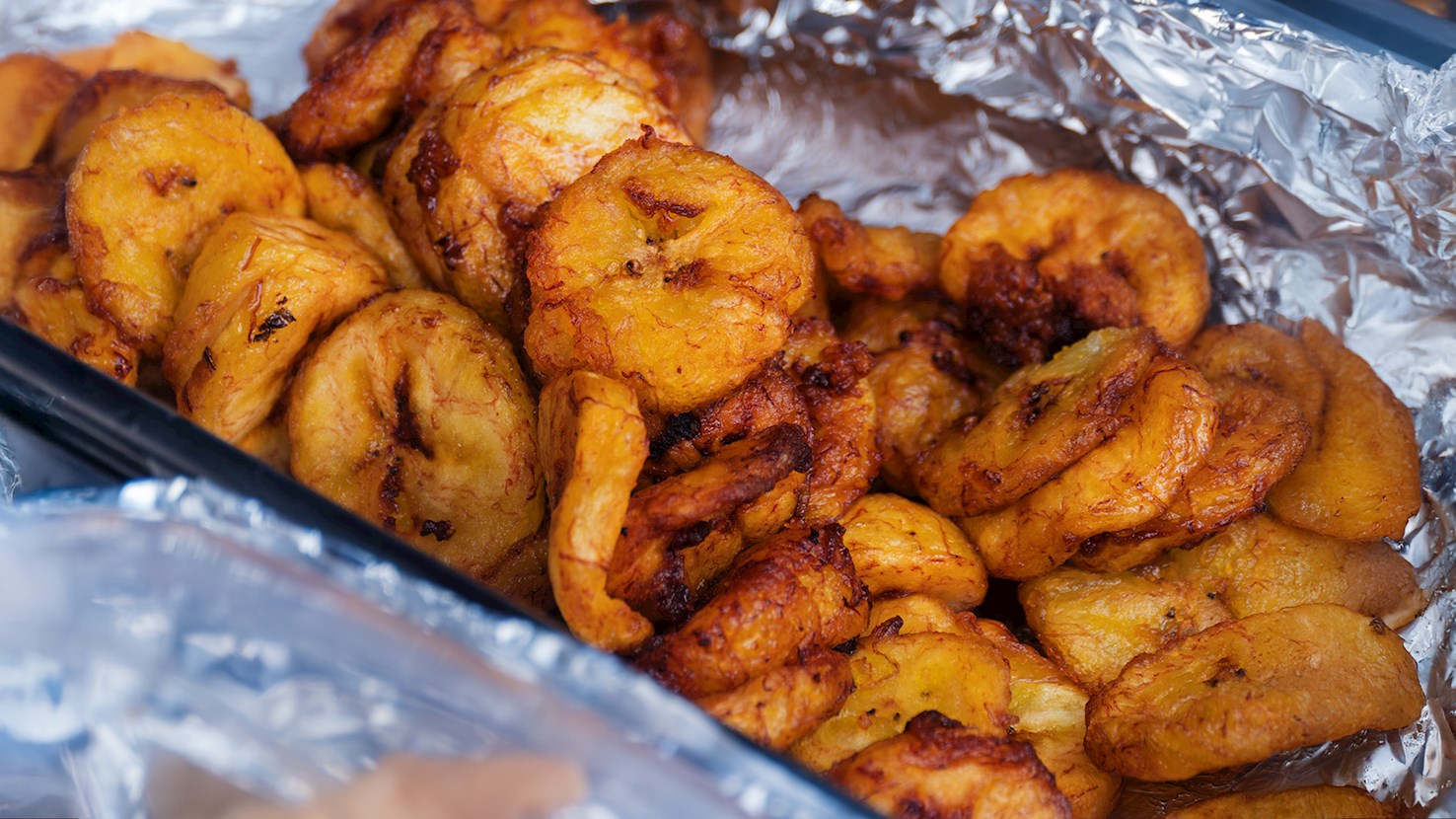
Alloco is a popular Ivorian dish made from ripe plantains that are sliced and deep-fried until golden and caramelized. It originates from Côte d'Ivoire but is widely consumed across West Africa, where plantains are a staple ingredient and fried variations form an essential part of street food culture. The name “alloco” comes from the Baoulé language, spoken in central Côte d'Ivoire, and refers directly to the preparation of plantains as a standalone dish or accompaniment. Its appeal lies in its simplicity and the balance of sweet and savory flavors that result from cooking ripe plantains at high heat until the edges are crisp and the interior remains soft. The preparation involves slicing ripe, yellow plantains into rounds or diagonal pieces, which are then fried in palm oil or vegetable oil until browned and slightly caramelized. The dish is typically seasoned with a touch of salt, and occasionally served with raw onions, chili sauce, or tomato-based relishes to introduce contrast and heat. In many cases, alloco is paired with fried fish, grilled meat, or hard-boiled eggs, transforming it into a complete meal. While its ingredients are few, attention to timing, oil temperature, and the ripeness of the plantain makes a noticeable difference in the final result. Alloco is commonly sold by street vendors and in small restaurants throughout Côte d'Ivoire, where it is consumed as a snack, side dish, or quick meal. Its widespread availability and affordability have made it an everyday food for many, as well as a nostalgic comfort for Ivorians living abroad. Beyond Côte d'Ivoire, similar versions exist under different names in neighboring countries (missolè in Cameroon, dodo in Nigeria) but alloco holds a distinct place in Ivorian culinary identity due to its specific preparation style and presentation.
TasteAtlas food rankings are based on the ratings of the TasteAtlas audience, with a series of mechanisms that recognize real users and that ignore bot,
nationalist or local patriotic ratings, and give additional value to the ratings of users that the system recognizes as knowledgeable.
TasteAtlas Rankings should not be seen as the final global conclusion about food. Their purpose is to promote excellent local foods,
instill pride in traditional dishes, and arouse curiosity about dishes you haven’t tried.
The initial list of top producers was compiled based on available reviews, awards, local recommendations, media and blog coverage, and consumer reviews.
The list will be updated with ratings from TasteAtlas local ambassadors and TasteAtlas users.




What People Say